
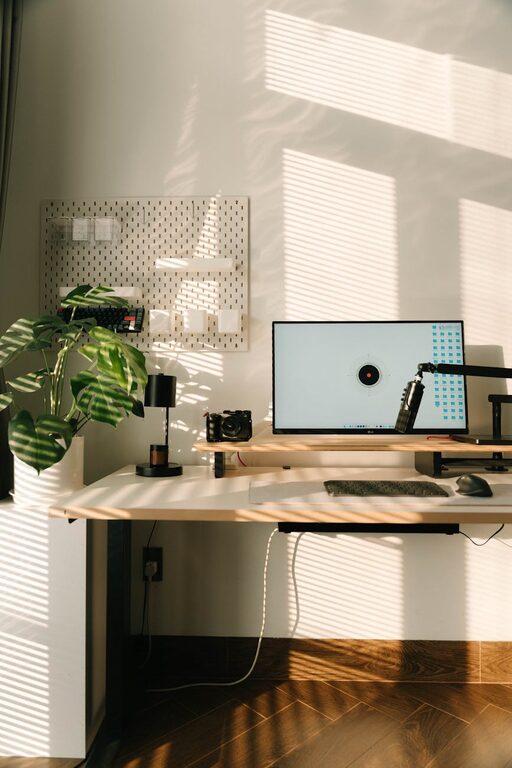
Creating a home office that feels both cozy and productive can make a huge difference in your workday. Whether you’re working remotely full-time or need a dedicated space for occasional tasks, your workspace should inspire focus and comfort. In this post, we’ll explore practical tips to help you design a home office that supports your productivity while making you feel right at home.
Why a Cozy and Productive Home Office Matters
Your work environment greatly affects how you perform and feel throughout the day. A cluttered or uncomfortable office can lead to distractions, stress, and fatigue. On the other hand, a well-designed workspace can boost creativity, motivation, and overall job satisfaction. By combining comfort with functionality, you create a balance that encourages you to work efficiently without feeling overwhelmed.
Choose the Right Location
Finding the perfect spot in your home for a workspace is the first step. Ideally, your office should have:
– Natural light: A window nearby not only brightens your room but can boost your mood and energy.
– Quiet surroundings: Limit distractions by choosing a room or corner away from high-traffic areas.
– Enough space: Make sure there’s room for your desk, chair, and any equipment or storage you need.
If space is limited, consider creative solutions like a nook in the living room, a section of your bedroom, or even a foldable desk that can be put away after work hours.
Invest in Comfortable and Functional Furniture
Comfort is key when setting up a productive workspace. A comfortable chair with good support reduces physical strain and helps you focus longer. When selecting furniture, consider the following:
– Ergonomic chair: Supports your back and encourages good posture.
– Spacious desk: Enough surface area for your computer, notebooks, and accessories.
– Adjustable options: Desks or chairs with adjustable height help you maintain comfort throughout the day.
Don’t hesitate to add a footrest or an anti-fatigue mat if you spend long hours sitting or standing.
Organize Your Space Efficiently
A tidy workspace promotes clearer thinking and reduces distractions. To keep your office organized:
– Use storage solutions: Shelves, filing cabinets, boxes, and drawer dividers help keep everything in its place.
– Declutter regularly: Remove unnecessary items and keep only what you use daily within reach.
– Cable management: Use clips or cable sleeves to neatly bundle wires and avoid tangled messes.
Labeling storage containers can also save time searching for supplies and help maintain order.
Personalize Your Workspace
Adding personal touches makes your office feel welcoming and uniquely yours. Here are some ideas:
– Plants: Small potted plants not only brighten the space but also improve air quality.
– Artwork or photos: Display motivational quotes, favorite images, or colorful art.
– Accessories: Use your preferred stationery and fun desk organizers to add character.
Balancing personalization with practicality ensures your workspace remains distraction-free.
Pay Attention to Lighting
Good lighting reduces eye strain and helps maintain alertness. Tips for effective lighting include:
– Maximize daylight: Position your desk near windows to take advantage of natural light.
– Use task lighting: A desk lamp with adjustable brightness is helpful for detailed work.
– Avoid glare: Position screens to prevent reflections or harsh light hitting your eyes.
Warm light tones tend to feel cozy, while cooler light can improve focus during intensive tasks.
Create Boundaries Between Work and Relaxation
Especially when working from home, it’s important to separate your workspace from your living space mentally and physically.
– Define your work area: Use rugs, room dividers, or a distinct desk setup to mark your office zone.
– Establish routines: Start and end your workday with clear rituals to transition in and out of “office mode”.
– Take breaks: Step away from your desk periodically to stretch or refresh your mind.
Setting these boundaries helps maintain a healthy work-life balance and prevents burnout.
Use Technology to Your Advantage
Leverage tools that enhance your workflow and keep you connected:
– Reliable internet: Ensure a strong Wi-Fi connection for smooth video calls and downloads.
– Noise-cancelling headphones: Minimize distractions in noisy environments.
– Organizational apps: Use calendar apps, task managers, and note-taking tools to keep your work streamlined.
Regularly update your tech and software to maintain efficiency.
Keep Comfort and Wellness in Mind
Working comfortably includes caring for your physical and mental well-being:
– Temperature control: Use fans or heaters as needed to maintain a pleasant temperature.
– Hydration: Keep a water bottle nearby to stay hydrated.
– Movement: Incorporate quick stretches or short walks into your daily routine.
Creating a welcoming, health-conscious workspace contributes to long-term productivity.
—
By thoughtfully designing your home office with these tips in mind, you’ll create a space that feels inviting and encourages you to work at your best. Whether you’re tackling daily tasks or creative projects, a cozy and organized environment makes all the difference. Happy decorating and productive working!